
Carbon avoidance
Protection of the Matavén forest in eastern Colombia
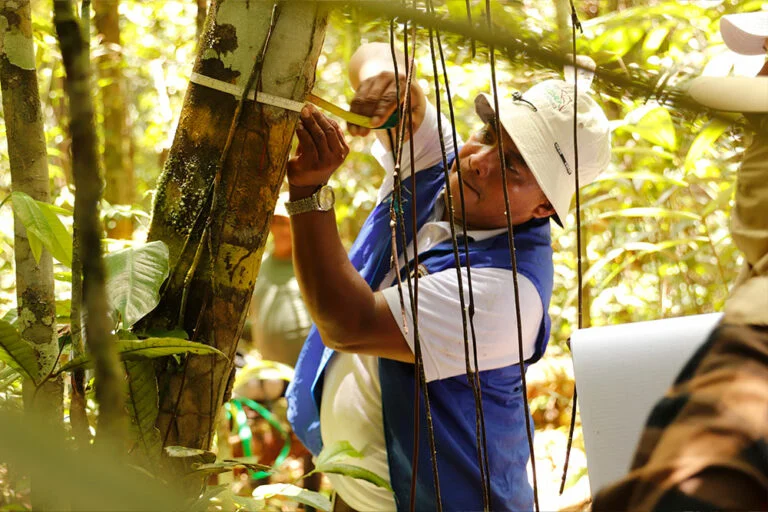

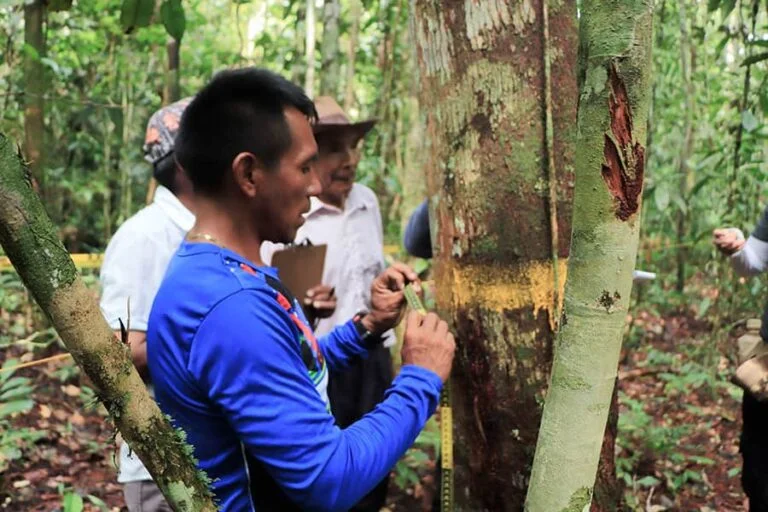

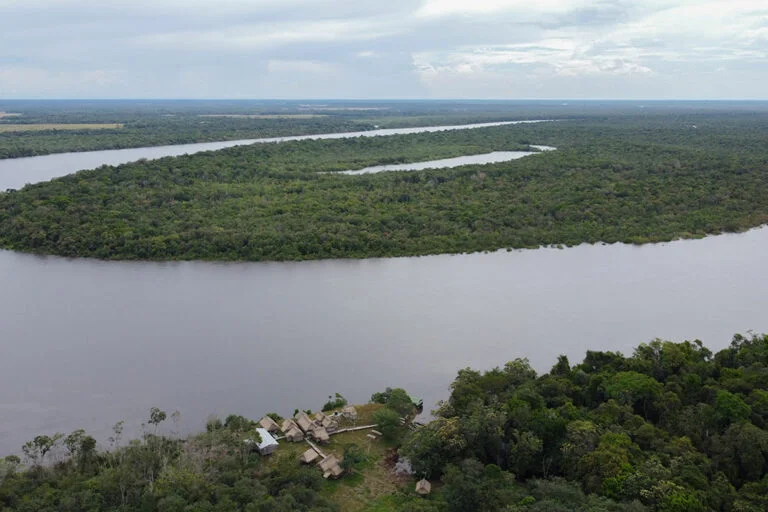
Colombia, a megadiverse nation, is home to approximately 10% of the world’s flora and fauna, with over 40,000 plant species thriving in its rich ecosystems. In the Vichada department, located in the Orinoco River basin, deforestation has posed a significant challenge, with around 500,000 hectares of forest lost between 1990 and 2005. The Matavén REDD+ project addresses these environmental and social issues by safeguarding the tropical forest within the Indigenous Reservation of the Matavén Forest, covering 1,150,212 hectares.
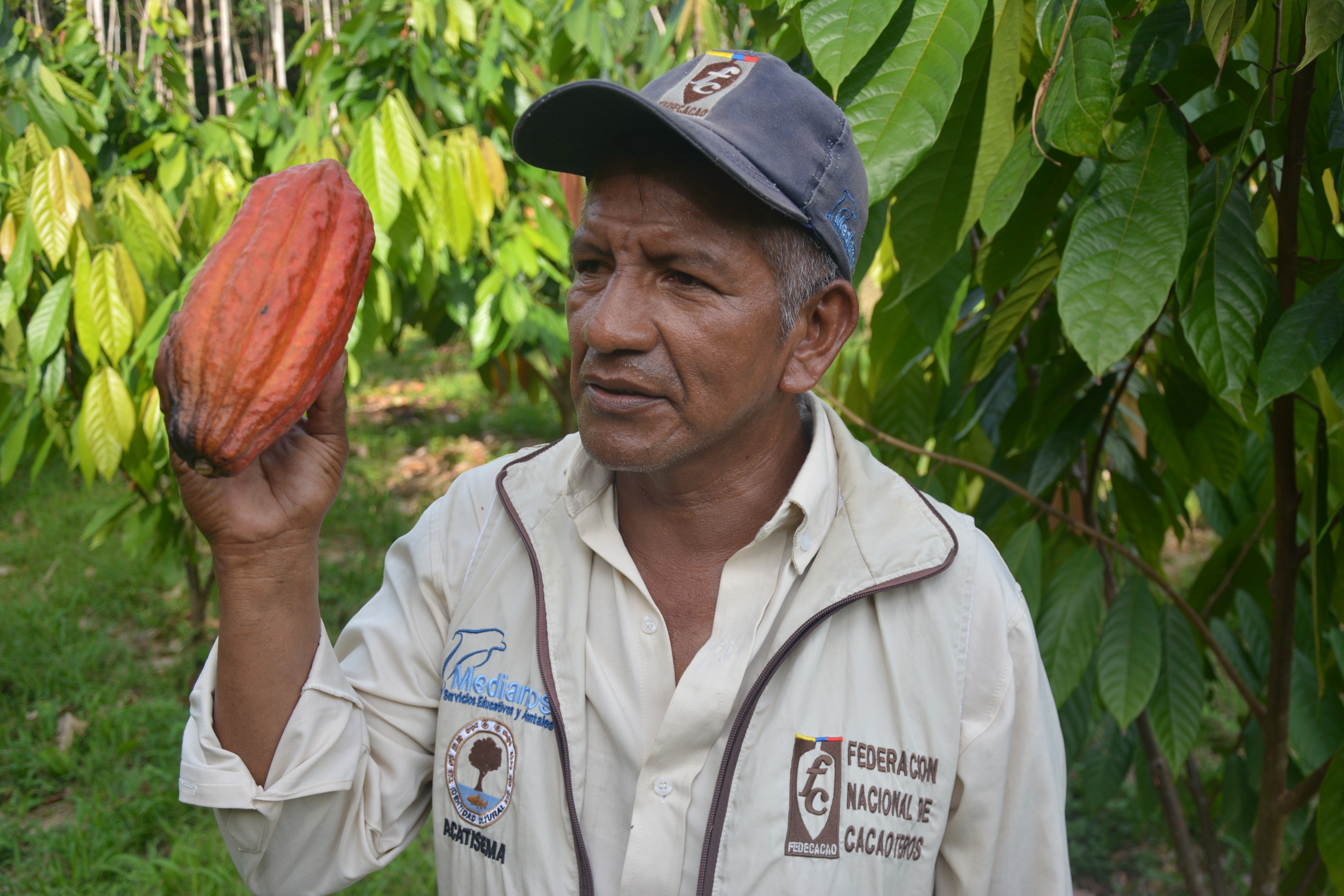
Before the REDD+ Matavén Project, the Indigenous communities of Matavén faced significant challenges. Despite being exceptional guardians of their forests, they lacked access to essential resources like education, healthcare, and markets. With few alternatives, mining, livestock expansion, and illegal activities became some of the only viable income sources, leading to deforestation and threatening their lands, culture, and livelihoods.
Project timeline
16 Dec 2025
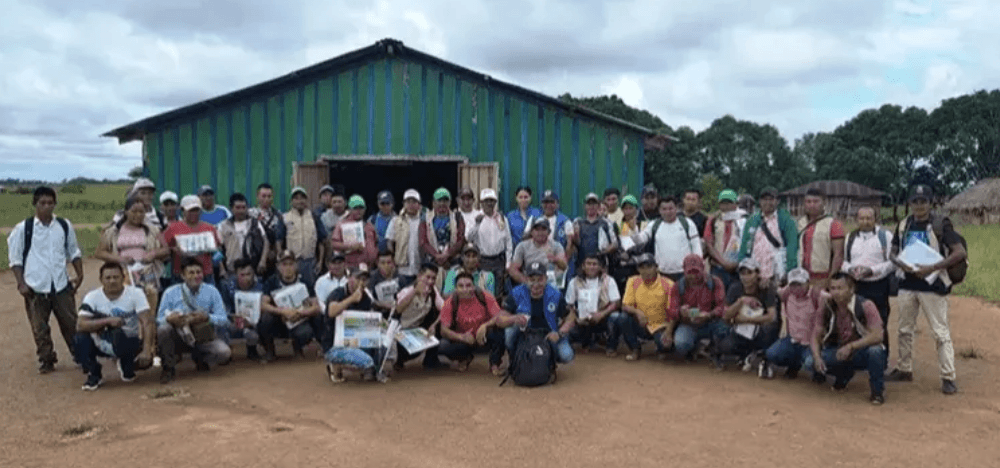
2025 Captains’ Workshops: Strengthening Indigenous Governance to Protect the Forest and Life in Matavén
Across the five Matavén zones, the team carried out the 2025 Captains’ Workshops with the active participation of 341 Indigenous leaders. These workshops inform, empower, listen, and build collectively. They are a strategic tool to foster the circulation of knowledge, strengthen Indigenous leadership, and ensure the REDD+ Matavén Project continues to meet its core objectives: stopping deforestation, protecting biodiversity, conserving water, and improving the living conditions of Indigenous communities in Matavén
9 Nov 2025
September Highlights - International Summit on Sustainability and Innovation 2025
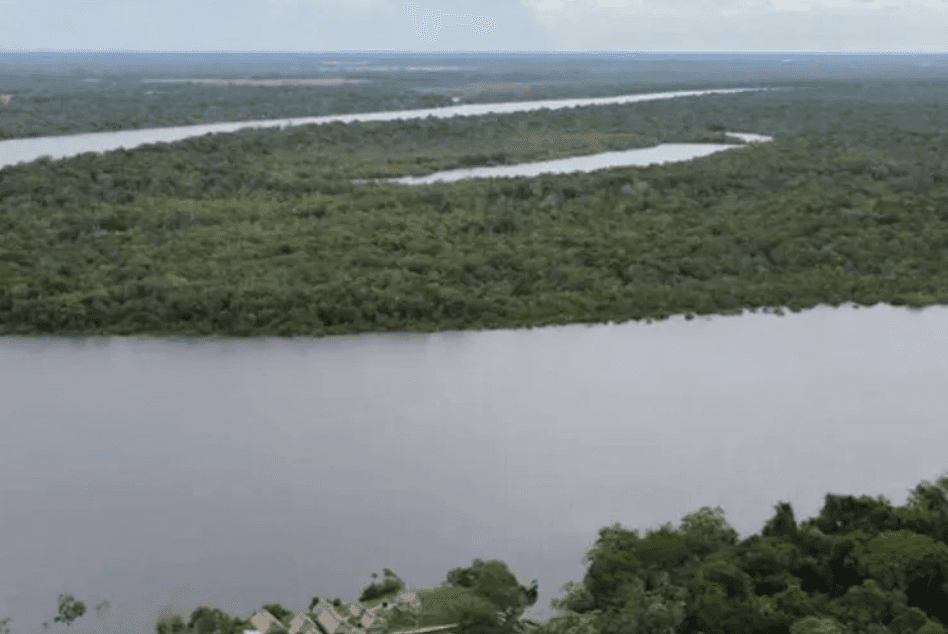
From September 9 to 11, 2025, the REDD+ Matavén Project took part in the International Summit on Sustainability and Innovation, hosted by the Regional Autonomous Corporation (CAR) in Bogotá. Over the course of three days, Colombia’s capital served as a gathering point for cooperation agencies, government bodies, private sector organizations, and environmental initiatives, all committed to promoting sustainable development and climate action.
1 Jan 2019
Climate, Community & Biodiversity Standards (CCB) - ICONTEC verified the Project’s results for 2018 and 2019, awarding the Project Gold Distinction for exceptional benefits in Climate Change Adaptation.
1 Jan 2013
Project start date


The project supports improved health and well-being for local communities by providing access to healthcare centres, dental services, and better sanitation facilities, reducing health risks and enhancing quality of life.
By facilitating education programs within Indigenous communities, the project empowers local populations through knowledge and skill development, ensuring long-term benefits for individuals and their communities.
Improved sanitation infrastructure in local villages contributes to better water quality and hygiene, promoting healthier living conditions for the Indigenous population.
The project creates sustainable employment opportunities, such as ranger positions, and supports alternative livelihoods that align with forest conservation, enabling economic growth while protecting natural resources.
Through the development of healthcare, education, and sanitation facilities, the project invests in essential infrastructure that enhances community resilience and fosters sustainable development.
By reducing deforestation and preventing greenhouse gas emissions, the project directly combats climate change, contributing to global efforts to mitigate its impacts.
The initiative protects over 1.15 million hectares of tropical forest, preserving biodiversity, safeguarding habitats for numerous species, and maintaining critical ecosystems essential for the planet’s health.
About
Live
2020
REDD+
3
4
6
8
9
13
15
Fund this project
This project is supported in our REDD+ in the impact shop.
Verifications
Verification: Verified Carbon Standard and Climate, Community and Biodiversity Standard
This project is verified by the Verified Carbon Standard and Climate, Community and Biodiversity Standard. You can view it on the Verra Registry here.